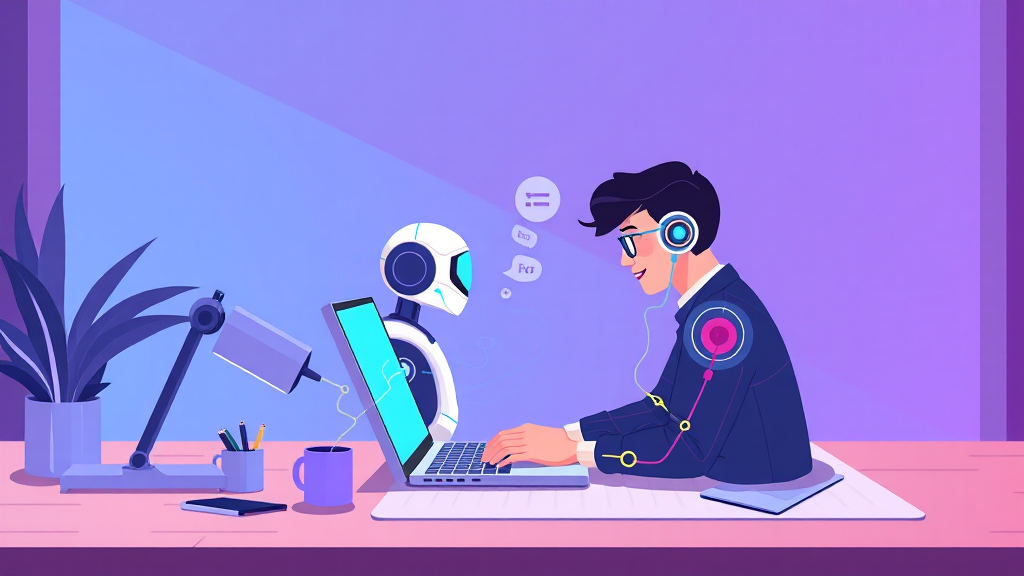
Crushon: A Practical Guide to AI Companion Chat Platforms
Conversational AI has moved far beyond simple question-and-answer tools. Today, a growing number of people use AI-powered companions for entertainment, creative writing, roleplay, and even low-pressure social practice. Among the platforms that have emerged in this space, crushon has attracted attention for its focus on character-driven conversation and customizable personalities. This guide explains what the platform is, how it works, what makes it different, and how to get the most out of it — without overhyping what a chatbot can realistically do.
What Crushon Is and Where It Fits
Crushon is an AI chat platform built around the idea of talking with characters rather than querying a generic assistant. Instead of asking a faceless model for facts, users pick or create a persona and hold an ongoing conversation with it. The experience sits somewhere between interactive fiction, a virtual companion, and a sandbox for creative writing.
That positioning matters because it changes user expectations. You are not using the platform to calculate a mortgage or debug code. You are using it to explore dialogue, build a narrative, or simply have a relaxed chat with a character that remembers context from earlier in the session. The appeal is emotional and creative rather than purely functional.
This category of tool has grown quickly because large language models became good enough to sustain a believable conversation over many turns. Earlier chatbots lost the thread after a few messages. Modern systems can maintain tone, personality, and a rough memory of what was said, which is exactly what a companion-style experience requires.
How the Platform Approaches Character and Personality
The core of any companion chat tool is the character layer. Crushon leans into customization, letting users shape who they are talking to. A character is not just a name and a profile picture; it is a combination of backstory, speaking style, interests, and boundaries.
When a character is well designed, the conversation feels consistent. The persona responds in a way that matches its described traits, keeps a recognizable voice, and reacts to the user’s tone. When a character is poorly designed, the illusion breaks quickly — the personality drifts, the replies become generic, and the chat starts to feel like talking to a template.
This is why the platform rewards thoughtful setup. Users who write clear, specific character descriptions tend to get noticeably better results than those who leave everything vague. A few sentences about background, attitude, and preferred topics can make a large difference in how natural the conversation feels.
It also means the platform functions as a creative tool as much as a chat app. Writing a character is a small act of fiction, and the quality of that writing directly shapes the experience.
Key Features That Shape the Experience
While specific features evolve over time, the general design of a companion chat platform like this tends to revolve around a few practical pillars.
Character discovery. Users can browse existing characters rather than building one from scratch. This lowers the barrier to entry and lets newcomers start a conversation within seconds. Discovery also serves as inspiration for people who later want to create their own personas.
Custom creation. For users who want more control, custom characters allow a tailored experience. You define the personality, the setting, and the style of interaction. This is where the platform becomes a genuine creative outlet.
Conversation memory. A companion chat is only as good as its continuity. Remembering earlier details — a name, a preference, a plot point — is what separates a satisfying chat from a forgettable one.
Accessibility across devices. Because these chats are often casual and ongoing, being able to pick up a conversation on a phone or a laptop matters. A platform that works smoothly in a browser removes friction and encourages longer sessions.
Together, these features support the central promise: a conversation that feels personal, consistent, and easy to return to.
Why People Use AI Companions
It is worth being honest about the motivations here, because they are more varied than outsiders assume.
Some users come for entertainment. They want a story, a bit of banter, or a character to interact with during downtime. It is a form of interactive media, similar in spirit to a visual novel or a text adventure.
Some come for creative practice. Writers use companion chats to test dialogue, explore a character’s voice, or work through a scene without committing to a full draft. The AI acts as a responsive sounding board.
Some come for social comfort. Not everyone wants a deep relationship with a chatbot, but a low-stakes conversation can be relaxing. There is no pressure to perform, no fear of awkward silences, and no scheduling required.
Understanding these different motivations helps set realistic expectations. A companion chat is not a replacement for human relationships, and treating it as one usually leads to disappointment. Treated as a creative tool or a casual pastime, it can be genuinely enjoyable.
Getting Better Results From a Companion Chat
Quality of output depends heavily on quality of input. A few habits consistently improve the experience.
Be specific in your setup. Vague prompts produce vague characters. Describe the personality, the tone, and the kind of conversation you want. The more clearly you define the role, the more consistently the character will play it.
Stay in character yourself. If you want a roleplay-style exchange, respond as a participant in the scene rather than stepping outside it. The model tends to mirror the register you use.
Give feedback in the moment. If a reply drifts off-tone, a short correction often steers things back. You do not need to restart the whole conversation.
Keep sessions focused. Long, meandering chats can lose coherence. If you are working on a specific scene or topic, staying roughly on track helps the character remain consistent.
These are small adjustments, but they make a noticeable difference over time.
Privacy, Safety, and Responsible Use
Any conversation with an AI platform involves sharing information, so it is reasonable to think about privacy. Users should avoid entering sensitive personal data such as financial details, government identifiers, or anything they would not want stored. Even well-run platforms cannot guarantee that data will never be exposed.
It is also worth remembering that AI responses are generated, not authored by a real person. Characters can be convincing, but they are not sentient and do not have feelings. Keeping that distinction clear helps prevent emotional over-investment.
Responsible use means treating the platform as what it is: a piece of software designed for entertainment and creativity. It can be a pleasant part of a day, but it should not crowd out real-world relationships, work, or rest.
For users who want to explore the platform directly, the official site is the most reliable starting point, and the experience there reflects the current state of the product rather than secondhand descriptions.
How This Fits Into the Broader AI Landscape
Companion chat platforms occupy a distinct niche. They are not productivity tools, and they are not general-purpose assistants. They are closer to interactive entertainment, and that framing explains both their strengths and their limits.
Compared with a standard chatbot, a companion platform invests more in persona, continuity, and emotional tone. Compared with a game, it offers far more flexibility, because the conversation is not scripted in advance. That combination is what makes the category interesting.
The technology behind it will keep improving. Memory will get longer, personalities will become more consistent, and interfaces will become more natural. As that happens, the line between interactive fiction and conversation will blur further.
For now, the practical takeaway is simple: these tools are best enjoyed with clear expectations. They are creative, sometimes surprising, and occasionally very engaging — but they are tools, and the quality of the experience depends a great deal on how thoughtfully they are used.
Frequently Asked Questions
What exactly is Crushon?
Crushon is an AI chat platform centered on character-based conversation. Users can talk with existing characters or create their own, using the platform for entertainment, roleplay, or creative writing rather than for productivity tasks.
Is it free to use?
Pricing and access tiers can change over time, so the most accurate information is available on the official website. Many platforms in this category offer a limited free experience alongside paid options that unlock additional features or usage.
Can the AI remember previous conversations?
Continuity varies by platform and by session. Most modern companion chat tools retain context within a conversation, and some offer longer-term memory features. The exact behavior depends on the current implementation.
Is it safe to share personal information?
It is best to avoid sharing sensitive personal details such as financial data or identifying information. Treat conversations with any AI platform as you would any online service, and share only what you are comfortable having stored.
Who is this kind of platform for?
It appeals to people who enjoy interactive fiction, writers exploring dialogue and character voice, and users looking for casual, low-pressure conversation. It is not intended as a substitute for professional advice or real human relationships.
Does it work on mobile devices?
Most companion chat platforms are designed to work in a web browser, which makes them accessible on phones, tablets, and computers without a separate installation.