Why Boutique Hotels Are Redefining Modern Travel Experiences
Travel has evolved far beyond simply booking a room for the night. Today’s travelers seek authenticity, personalized service, and memorable stays that reflect the local culture. This shift has propelled boutique hotels into the spotlight, offering a refreshing alternative to large, impersonal chains. From unique architectural details to curated local experiences, these smaller properties are reshaping how we think about hospitality. In this article, we explore the key reasons boutique hotels are becoming the preferred choice for discerning guests, and how properties like thebiltmorehotels exemplify this movement.
The Rise of Personalized Hospitality
One of the most significant trends in the hotel industry is the demand for bespoke experiences. Boutique hotels excel in this area by offering tailored services that anticipate guest needs. Unlike standardized chain hotels, boutique properties often have fewer rooms, allowing staff to provide genuine, one-on-one attention. This could mean remembering a returning guest’s favorite drink, arranging a private local tour, or customizing the room setup for a special occasion. The focus is on creating a connection rather than just processing transactions. This personalized approach fosters loyalty and positive word-of-mouth, which are invaluable in the competitive travel market.
Design and Architecture That Tell a Story
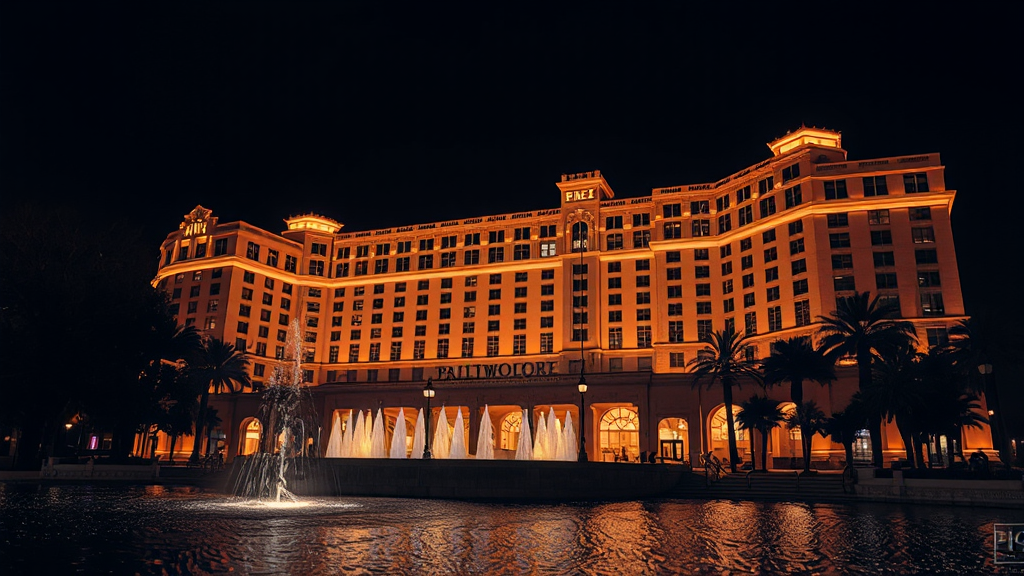
Boutique hotels are renowned for their distinctive design philosophies. Each property often has a unique theme or narrative that is woven into its architecture, décor, and ambiance. Whether it’s a restored historic building with original features or a modern structure with cutting-edge art installations, the design is intentional and immersive. Guests are not just sleeping in a room; they are stepping into a carefully crafted environment that reflects the local heritage or a specific artistic vision. This attention to detail creates Instagram-worthy moments and deeper emotional engagement, making the stay more memorable than a generic hotel room.
Locally Sourced Dining and Culinary Experiences
Food is a central part of travel, and boutique hotels often elevate the dining experience by focusing on local, seasonal ingredients. Many feature farm-to-table restaurants, craft cocktail bars, and partnerships with nearby artisans. The culinary team may offer cooking classes, tasting menus, or foraging tours that connect guests with the region’s flavors. This emphasis on authentic cuisine not only supports local economies but also provides travelers with a taste of place that is hard to replicate in large hotel chains. The dining room becomes a destination in itself, attracting both hotel guests and locals alike.
Community and Cultural Integration
Boutique hotels are often deeply embedded in their neighborhoods. They collaborate with local artists, musicians, and businesses to create a vibrant ecosystem. Guests might find a rotating gallery of local art in the lobby, live acoustic sets in the lounge, or curated maps highlighting hidden gems nearby. This integration helps travelers feel like they are part of the community rather than just visitors passing through. It also encourages sustainable tourism by directing attention to local enterprises. The result is a richer, more meaningful travel experience that goes beyond the hotel walls.
Technology Meets Intimacy
While boutique hotels pride themselves on personal touch, they also embrace technology to enhance convenience and comfort. Smart room controls for lighting and temperature, high-speed Wi-Fi, and mobile check-in are common features. However, technology is used thoughtfully to support, not replace, human interaction. For example, a guest might use an app to request extra pillows, but the delivery is made with a warm smile. This balance allows boutique hotels to offer modern amenities without losing the warm, intimate atmosphere that sets them apart from larger competitors.
Sustainability and Ethical Practices
Modern travelers are increasingly conscious of their environmental footprint. Boutique hotels often lead the way in sustainable practices, from using renewable energy and reducing plastic waste to sourcing products from fair-trade suppliers. Because they are smaller and independently owned, they can implement eco-friendly initiatives more flexibly than large chains bound by corporate policies. Guests appreciate staying at a property that aligns with their values, and many are willing to pay a premium for accommodations that demonstrate a commitment to the planet and local communities.
The Future of Boutique Hospitality
As the travel industry continues to recover and evolve, boutique hotels are well-positioned for growth. Their ability to adapt quickly to changing consumer preferences, offer unique experiences, and foster genuine connections makes them resilient. We can expect to see more hybrid models that blend boutique charm with select amenities from larger hotels, such as co-working spaces or wellness centers. The core appeal, however, will remain the same: a stay that feels personal, authentic, and unforgettable.
FAQs
What makes a hotel qualify as a boutique hotel?
A boutique hotel is typically a small to medium-sized property with a distinct personality, often featuring unique design, personalized service, and a strong connection to the local culture. They usually have fewer than 100 rooms and prioritize quality over quantity.
Are boutique hotels more expensive than chain hotels?
While boutique hotels can be pricier due to their exclusive services and prime locations, many offer competitive rates, especially when considering the value of personalized experiences and unique amenities. Prices vary widely depending on the destination and season.
Do boutique hotels offer the same amenities as large hotels?
Boutique hotels often provide a curated selection of amenities that focus on quality rather than quantity. You may find luxury toiletries, fine dining, and concierge services, but they might not have large pools, multiple restaurants, or convention facilities. The trade-off is a more intimate and tailored experience.
How can I find the best boutique hotel for my trip?
Research online travel guides, read guest reviews on trusted platforms, and look for properties that highlight local culture and design. Consider what matters most to you—whether it’s location, design, dining, or sustainability—and choose a hotel that excels in that area. Properties like thebiltmorehotels are excellent examples of what to look for.
For readers who want to learn more about thebiltmorehotels, it helps to compare different approaches, read expert opinions, and consider how the topic fits into the broader general landscape.
Another key aspect of thebiltmorehotels is understanding how it relates to other topics in the same field. Many experts recommend starting with a clear overview before diving into specific techniques or strategies.